How is hydrogen produced?
by Admin
Posted on 13-05-2024 01:30 PM

Some scientists believe
hydrogen
energy may be a cleaner, more efficient way to power our world. Hydrogen is a naturally occurring gas, and it is the most abundant substance in the universe. (the word in greek means “water former” because hydrogen creates water when burned.
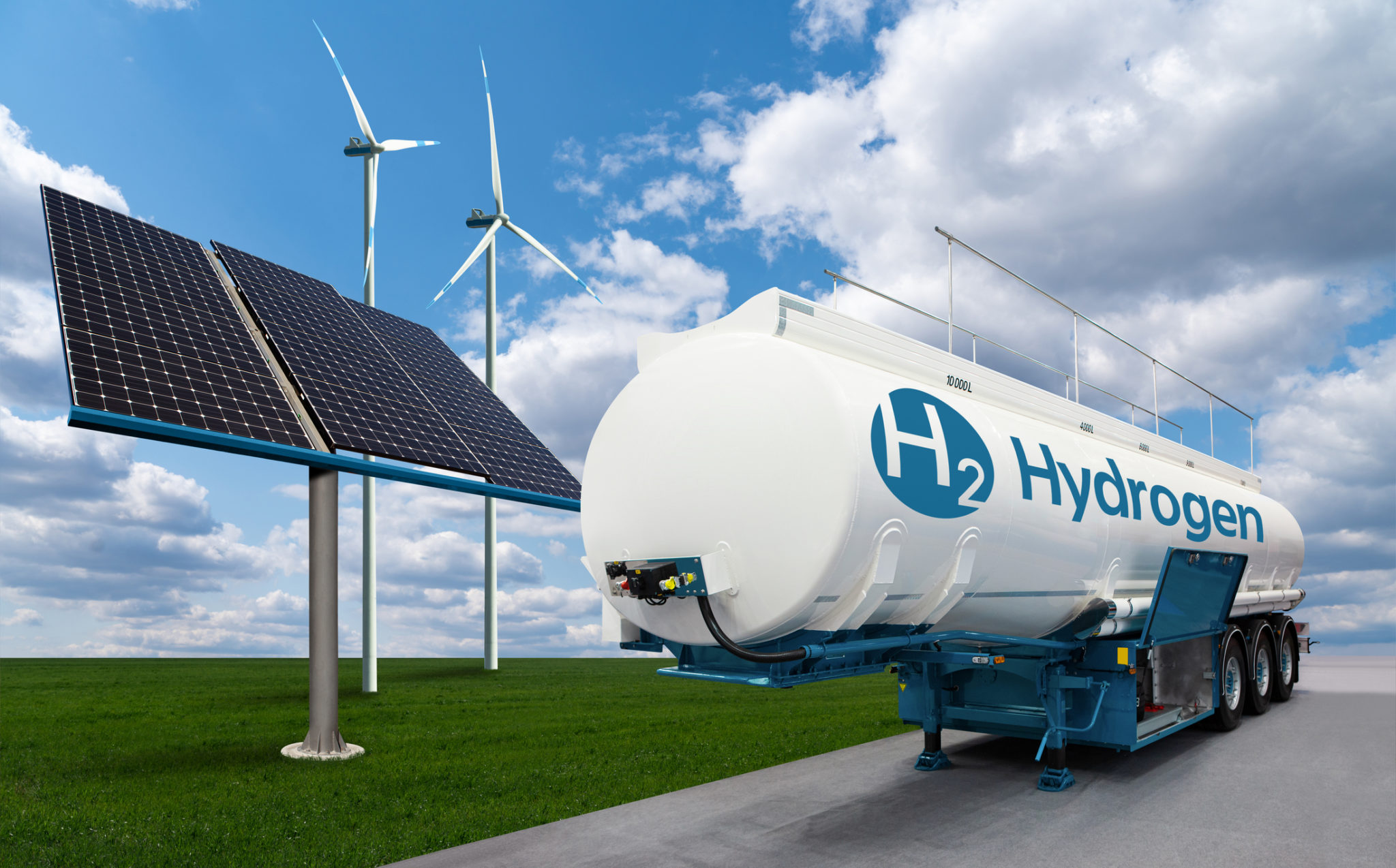 ) clean hydrogen is hydrogen produced with very low or zero carbon emissions. The term also refers to derivative products of hydrogen, including clean fuels. When used alongside other technologies, such as renewable power and biofuels, hydrogen has the potential to decarbonize a whole host of industries, including some of the worst emitters of greenhouse gases.
Because hydrogen typically does not exist freely in nature and is produced from other sources of energy, it is known as an energy carrier. It is a clean-burning fuel, and when combined with oxygen in a fuel cell, hydrogen produces heat and electricity with only water vapor as a by-product. Hydrogen can be made directly from fossil fuels or biomass, or it can be produced by passing electricity through water, breaking the water into its constituent components of hydrogen and oxygen. Some envision a future "hydrogen economy," where hydrogen is produced from a variety of energy sources, stored for later use, piped to where.
Hydrogen (h2) is an alternative fuel that can be produced from diverse domestic resources. Although the market for hydrogen as a transportation fuel is in its infancy, government and industry are working toward clean, economical, and safe hydrogen production and distribution for widespread use in fuel cell electric vehicles (fcevs). Light-duty fcevs are now available in limited quantities to the consumer market in localized regions domestically and around the world. The market is also emerging for buses, material handling equipment (such as forklifts), ground support equipment, medium- and heavy-duty trucks, marine vessels, and stationary applications. For more information, see fuel properties and the hydrogen analysis resource center.
Ask Energy Ant about energy. »
Hydrogen is currently used in industrial processes, as rocket fuel, and in fuel cells for electricity generation and powering vehicles. The national aeronautics and space administration (nasa) has used hydrogen since the 1950s for space exploration. Operators of several natural gas-fired power plants are exploring the use of hydrogen to supplement or replace natural gas. Hydrogen has the potential for effectively storing energy for electricity generation.

The international partnership for hydrogen and fuel cells in the economy is expected to release the final version of its methodology for determining the greenhouse gas emissions associated with the production of hydrogen in july 2023. This methodology will serve as the basis for an international organization for standardization (iso) standard. Iso is seeking to develop a draft technical specification by end of 2023 and a draft international standard by the end of 2024. In parallel, governments are working on the establishment of regulatory frameworks and certification schemes. Australia is developing a voluntary scheme for guarantee of origin certificates.
Hydrogen is currently used in industrial processes, as rocket fuel, and in fuel cells for electricity generation and powering vehicles. Operators of several natural gas-fired power plants are exploring the use of hydrogen to supplement or replace natural gas. Hydrogen has the potential for effectively storing energy for electric power generation.
the world’s consumption of energy will only go higher in the coming decades. Conventional hydrocarbon energy sources will become harder to be extracted and price of fossil fuel will become more vulnerable to different shocks and crisis. While research to enhance energy production from renewable energy is ongoing, methods and strategies to store excessive energy and to optimize energy produced are also required to achieve a sustainable economy. Hydrogen is a great candidate to serve as an intermediate energy vector and carrier to optimize energy efficiency, achieve energy sustainability and suitable storage in every sector of the economy. Hydrogen’s potential merits continued research and deployment.
November 16, 2022 plug produces and utilizes green hydrogen , an energy carrier many scientists say could serve as a key part of the climate solution in helping to lower greenhouse gas emissions. But what, exactly, is hydrogen? congressional climate legislation passed in recent years could serve as a catalyst for the growth of the u. S. Renewable energy market, including hydrogen, the core component utilized in plug’s global energy products. The 2021 infrastructure investment and jobs act ushered in $7 billion in federal dollars for regional hydrogen hubs throughout the u. S. Furthermore, the 2022 inflation reduction act also will expand the hydrogen market within the u.
Given hydrogen's advancement as a propitious energy carrier, swri aims to advance the different methods of sustainable hydrogen production, to decrease its cost per kilogram, while limiting the associated greenhouse gas emissions and energy use. Our experience and expertise include producing hydrogen from both fossil fuels and renewable sources. Services offered include hydrocarbon reforming, hydrocarbon pyrolysis and decarbonization, biomass and plastics gasification and pyrolysis, photolysis and fermentative hydrogen production. Swri is adept at front-end engineering design (feed), fabrication and buildup of pilot plants for hydrogen production and associated carbon capture, utilization and storage. For more information, contact eloy flores or call +1 210 522 2547.