
How to Increase Efficiency with a Hydrogen Compressor System
Hydrogen compressors are becoming an increasingly popular way to increase efficiency in a variety of applications. They offer many advantages such as low cost, high energy output and reduced emissions. However, for the system to be effective it is important to understand how they work and how to maximize their potential. Firstly, hydrogen compressors rely on a process of compression which increases the pressure of hydrogen-rich gas in order to store or transport it more efficiently. The compressed gas can then be used in various applications such as fuel cells and combustion engines. This process is known as 'gas compression', and it requires precise control over temperature, pressure and other parameters in order to achieve maximum efficiency from the system. Secondly, when using a hydrogen compressor system it is important to ensure that all components are installed correctly and running smoothly. This includes checking for leaks or other problems with valves or pipes that could lead to pressure loss or inefficient operation. Furthermore, regular maintenance should be undertaken in order to keep the system running at its best - this will not only improve efficiency but also help prolong the life of the equipment
read more
U.S. Energy Information Administration
Hydrogen energy and fuel cell technology information achieving carbon neutrality by 2050 will require dramatic transformation and game-changing innovations in the way we produce and consume energy. Hydrogen is ready to meet this challenge. Inflation reduction act of 2022 click here for fchea’s factsheet detailing the hydrogen and fuel cell tax provisions. Road map to a us hydrogen economy this comprehensive road map details how the u. S. Can expand its global energy leadership by scaling up activity in the hydrogen economy within policy and industry. Infrastructure investment and jobs act click here for our factsheet on the bipartisan infrastructure law’s clean hydrogen programs in transition fchea’s blog series explores the role and benefits of fuel cells and hydrogen energy for commercial sectors in transition to a more economically, environmentally, and socially sustainable future. The biden administration on monday announced a goal to produce 50 million metric tons of clean hydrogen fuel by 2050 – a roadmap that, if successful, would cut around 10% of the country’s planet-warming pollution by the same date. For the us to transition to clean energy, it will take technologies beyond wind and solar to fuel airplanes , generate electricity and power industry. And the biden administration is
read more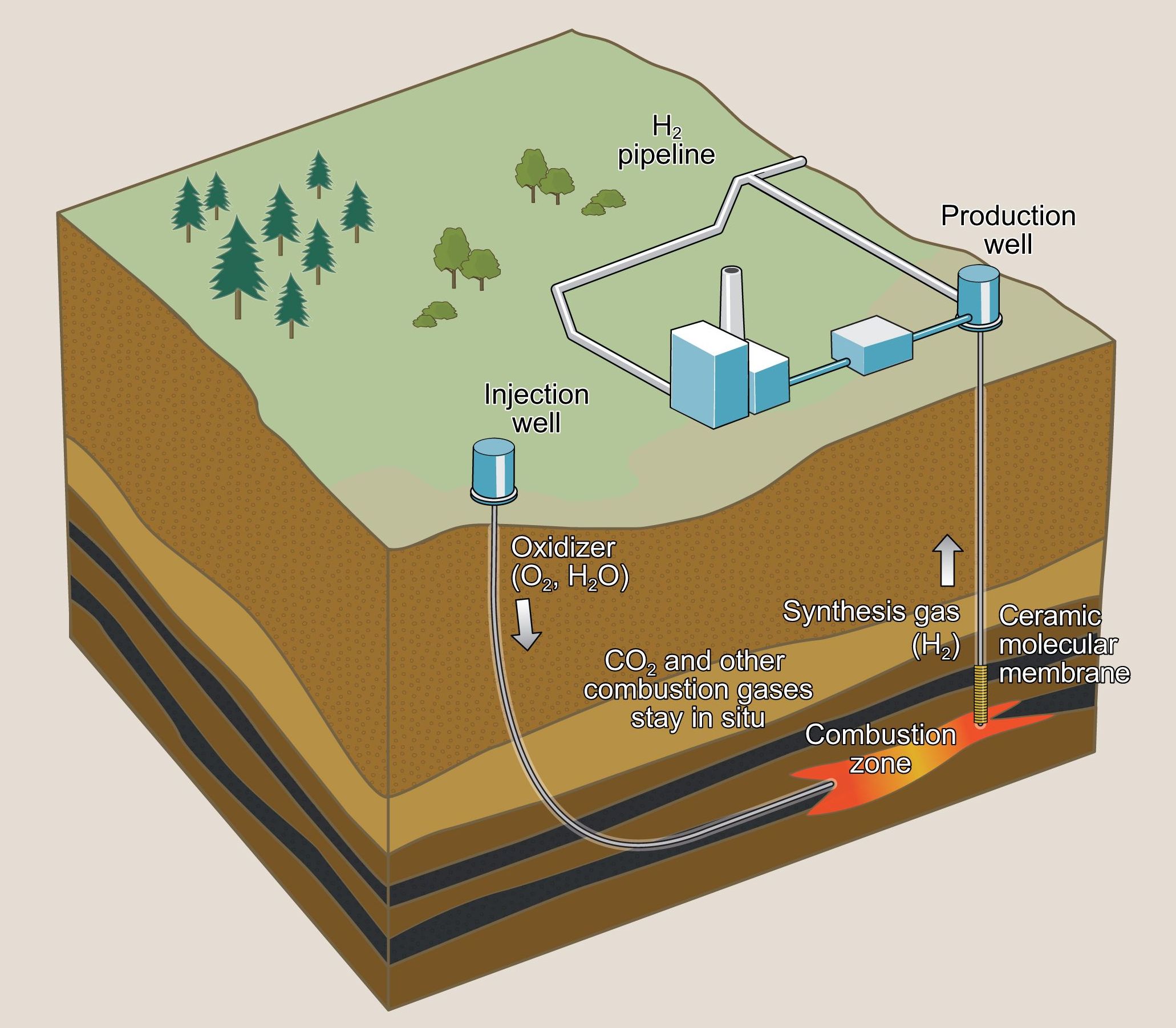
Fuel cell power plants
Hydrogen is a clean alternative to methane, also known as natural gas. It's the most abundant chemical element, estimated to contribute 75% of the mass of the universe. Here on earth, vast numbers of hydrogen atoms are contained in water, plants, animals and, of course, humans. But while it’s present in nearly all molecules in living things, it’s very scarce as a gas – less than one part per million by volume. Hydrogen can be produced from a variety of resources, such as natural gas, nuclear power, biogas and renewable power like solar and wind. The challenge is harnessing hydrogen as a gas on a large scale to fuel our homes and businesses. Advanced hydrogen production technologies nrel is developing advanced technologies to lower the cost of hydrogen production via electrolysis, photoelectrochemical conversion, solar thermochemical conversion, and biological conversion. Heavy-duty transportation nrel is developing durable, efficient fuel cell technologies for long-life, high-use applications and infrastructure technologies for fast and safe fueling of heavy-duty fuel cell trucks, rail, and marine vessels. New end uses for clean hydrogen nrel provides systems analysis and integration expertise to help partners use clean hydrogen for steel manufacturing, production of ammonia and other fuels and chemicals, natural
read more
Steam reforming is a widely used method of hydrogen production
When hydrogen is combusted, it does not produce carbon emissions, but it does produce nox emissions up to six times worse than those released by methane combustion. Nox can cause serious health effects , including asthma and increased chance of respiratory infections; nox is also a precursor to particulate matter and ozone, which harm the respiratory system. While there are methods of controlling nox emissions at gas power plants, those technologies are only effective at controlling nox at a blend of 30 percent hydrogen or less. Hydrogen used in fuel cells does not result in carbon emissions, only electricity, water, and heat. Main article: hydrogen production many methods exist for producing h2, but three dominate commercially: steam reforming often coupled to water-gas shift, partial oxidation of hydrocarbons, and water electrolysis. Industrial production of molecular hydrogen hydrogen gas is produced by several industrial methods. Nearly all of the world's current supply of hydrogen is created from fossil fuels. :1 most hydrogen is gray hydrogen made through steam methane reforming. In this process, hydrogen is produced from a chemical reaction between steam and methane , the main component of natural gas. Producing one tonne of hydrogen
read more
How is hydrogen produced?
Some scientists believe hydrogen energy may be a cleaner, more efficient way to power our world. Hydrogen is a naturally occurring gas, and it is the most abundant substance in the universe. (the word in greek means “water former” because hydrogen creates water when burned. ) clean hydrogen is hydrogen produced with very low or zero carbon emissions. The term also refers to derivative products of hydrogen, including clean fuels. When used alongside other technologies, such as renewable power and biofuels, hydrogen has the potential to decarbonize a whole host of industries, including some of the worst emitters of greenhouse gases. Because hydrogen typically does not exist freely in nature and is produced from other sources of energy, it is known as an energy carrier. It is a clean-burning fuel, and when combined with oxygen in a fuel cell, hydrogen produces heat and electricity with only water vapor as a by-product. Hydrogen can be made directly from fossil fuels or biomass, or it can be produced by passing electricity through water, breaking the water into its constituent components of hydrogen and oxygen. Some envision a future "hydrogen economy," where hydrogen is produced from a variety of energy sources, stored for later use,
read more